
Assembly and Testing Processes
Laser Cutting
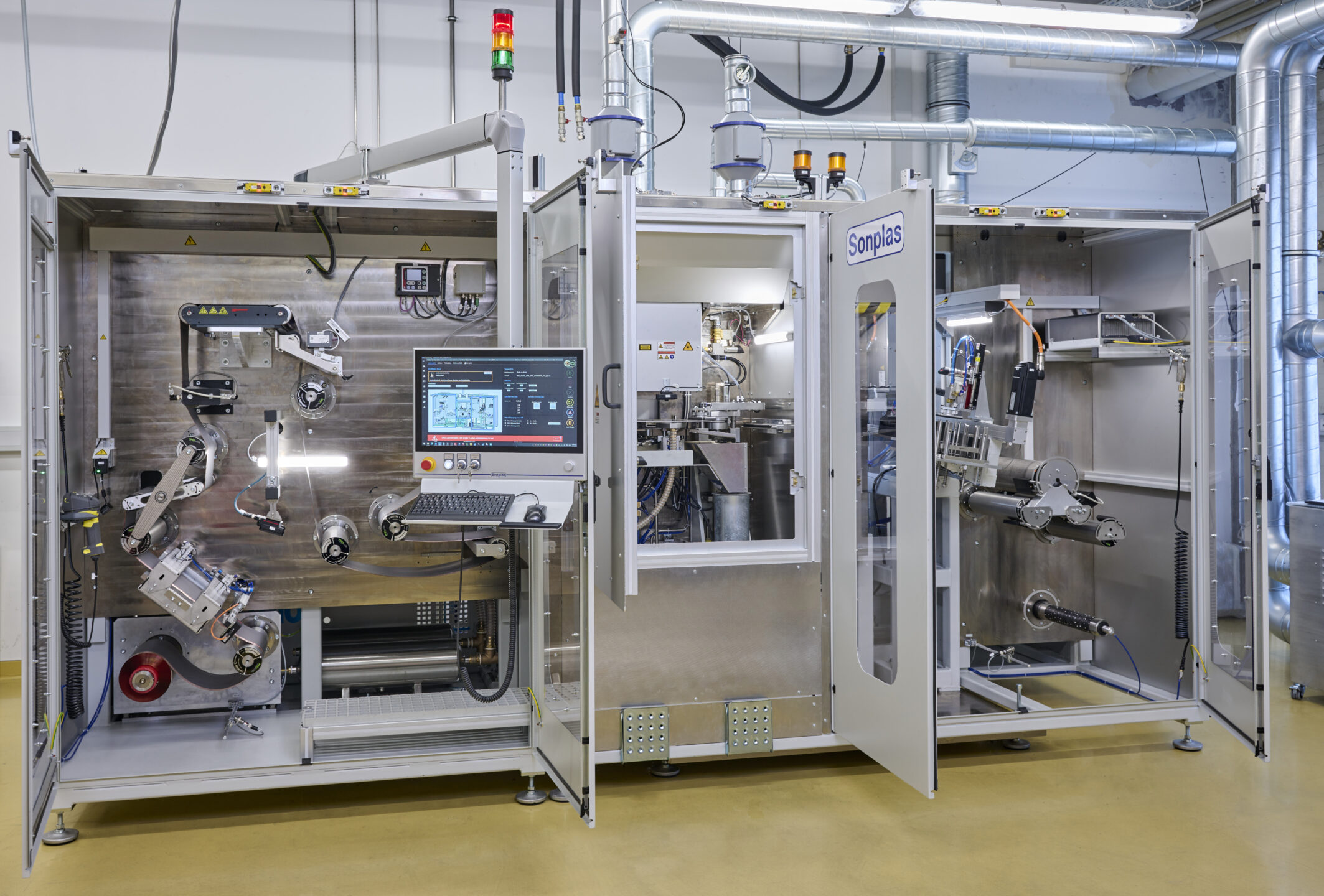
If your application requires maximum precision and flexible cutting processes, we develop automated laser cutting systems tailored precisely to your material and process requirements.
The contactless process ensures clean cut edges without tool wear whether for metals, plastics, or advanced materials. Especially in the battery, medical, and hydrogen industries, we deliver solutions that combine high cutting speeds with minimal heat input.
This allows you to benefit from high cost-efficiency and clear advantages over conventional cutting technologies.
Fundamentals of laser cutting
Laser cutting is an established cutting technology for both metallic and non-metallic materials. It is based on the precise interaction between a focused laser beam and the workpiece, enabling efficient and reproducible material separation. We apply this technology in a targeted manner to realize high-performance and innovative system solutions for industrial production.
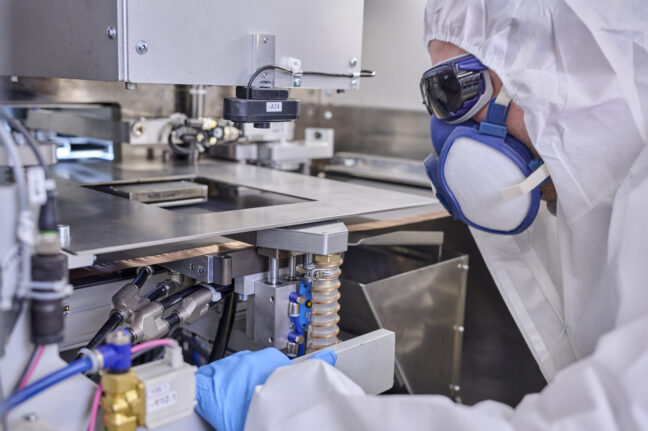
Laser radiation and its properties
Depending on the application, the laser radiation is generated by different sources such as fiber or CO₂ lasers and is precisely focused through optical systems to achieve a high energy density. Depending on the laser source, the beam can be concentrated to diameters ranging from 30 µm to 500 µm. Focusing is achieved using specially designed lens systems, such as spherical, cylindrical, or aspherical optics, enabling precise energy input.
Depending on process requirements, the systems operate in continuous wave or pulsed mode. For precise machining, the position of the workpiece is determined accurately, among other methods, using a three-point measurement technique.
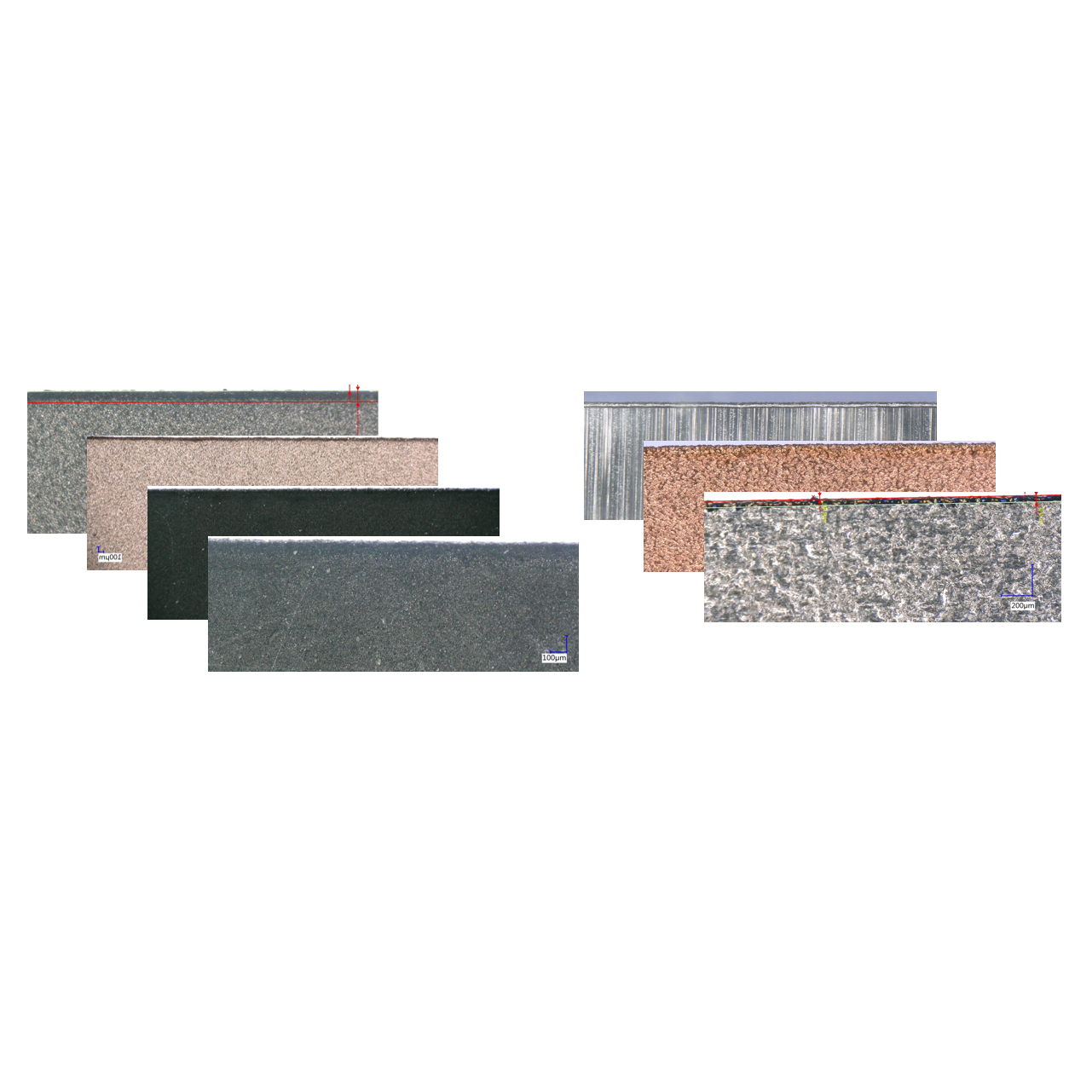
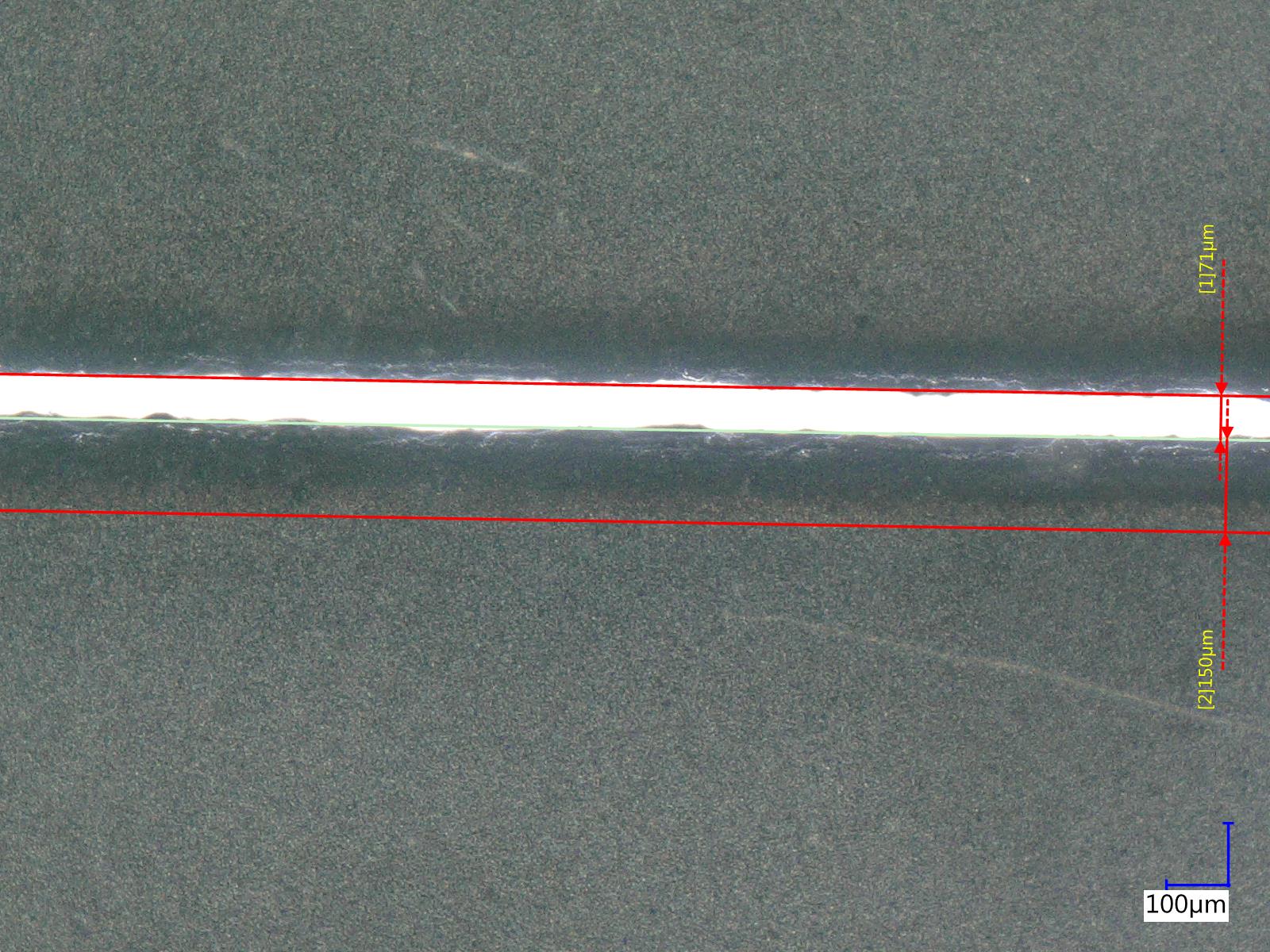
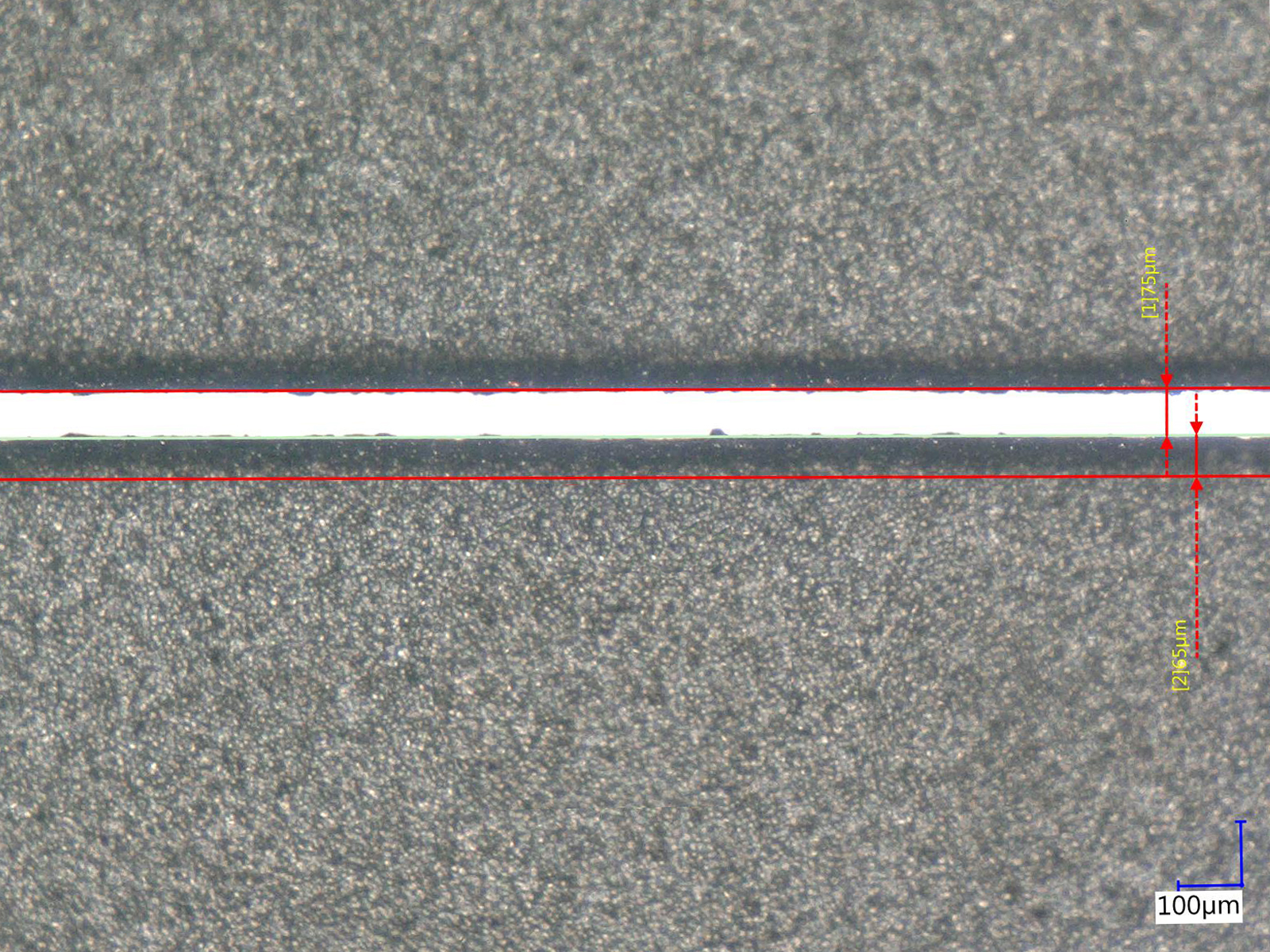
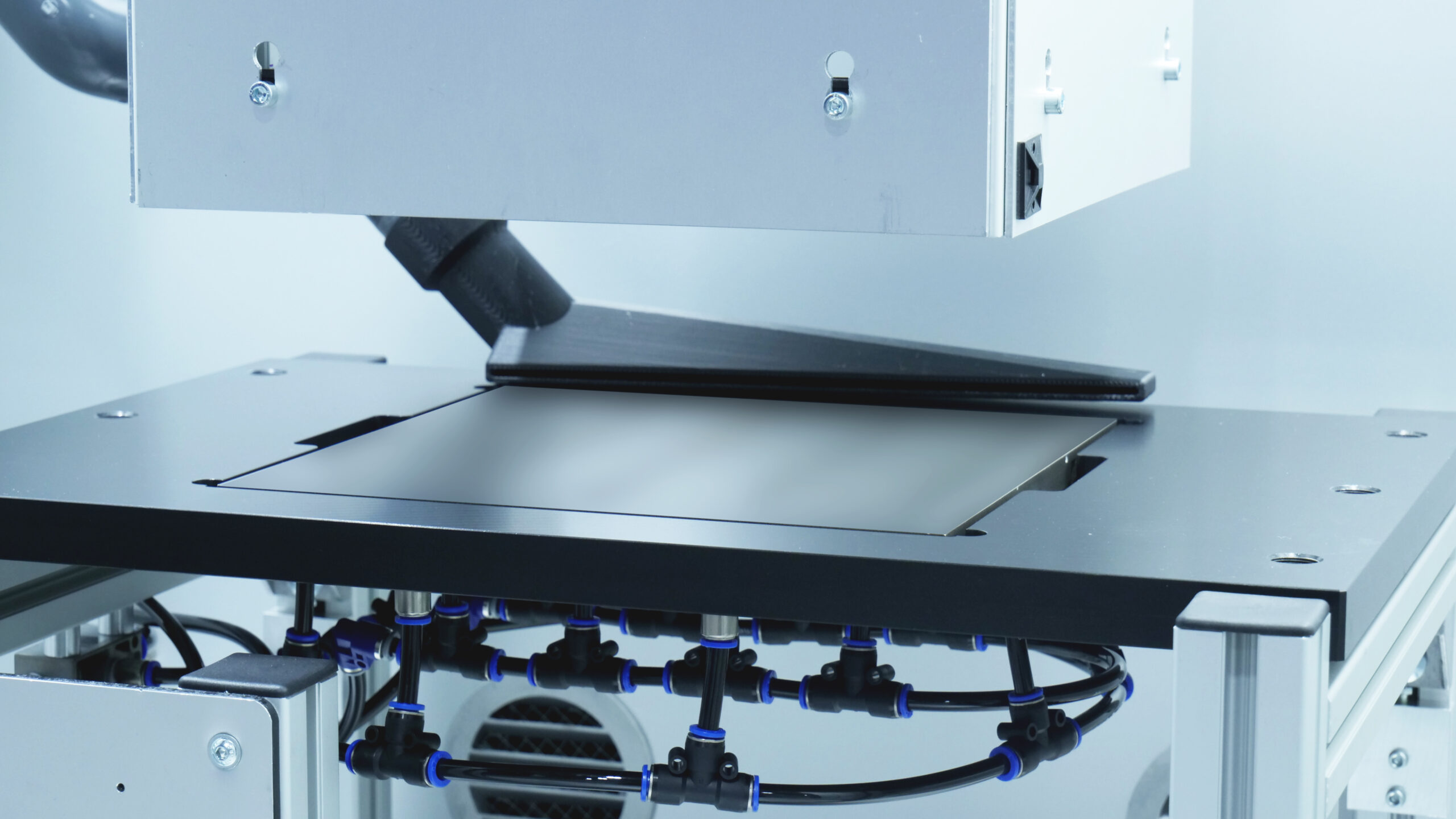
Left: A.o. following materials can be processed: Graphite, SiC, NMC, LFP, aluminum, copper and titanium.
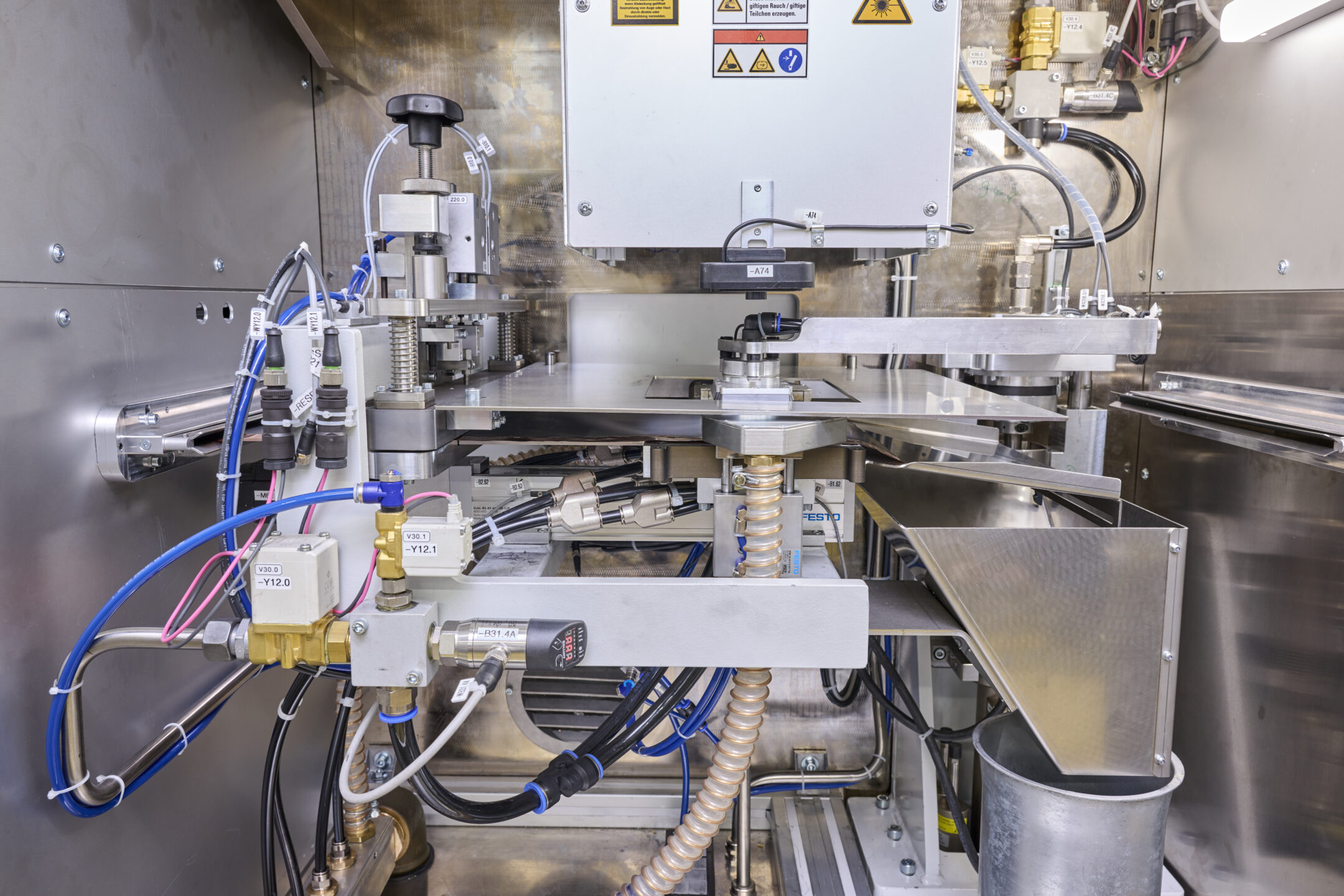
Middle: Sonplas lasercutting edge cathode
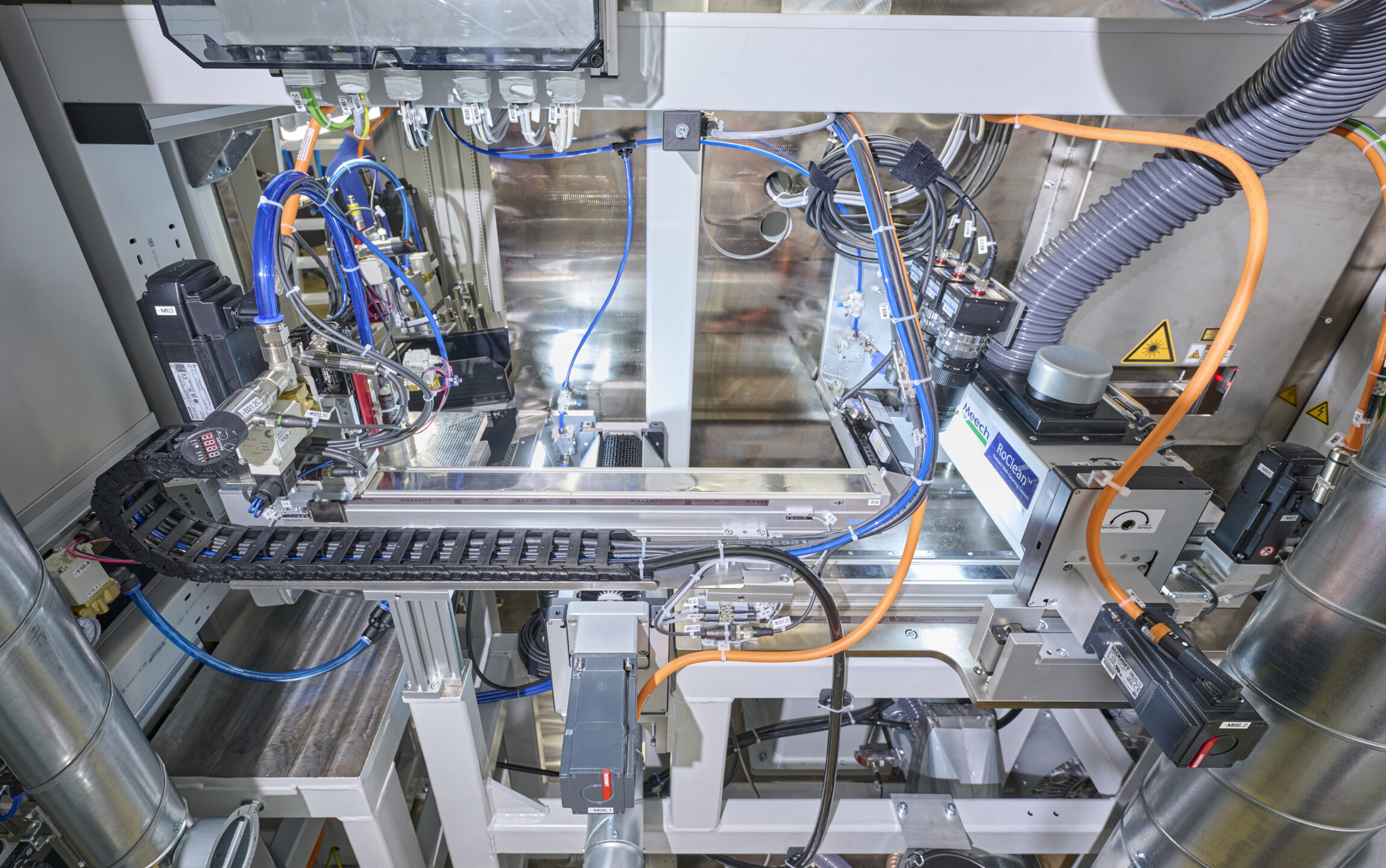
Right: Sonplas lasercutting edge anode
Laser cutting process in detail
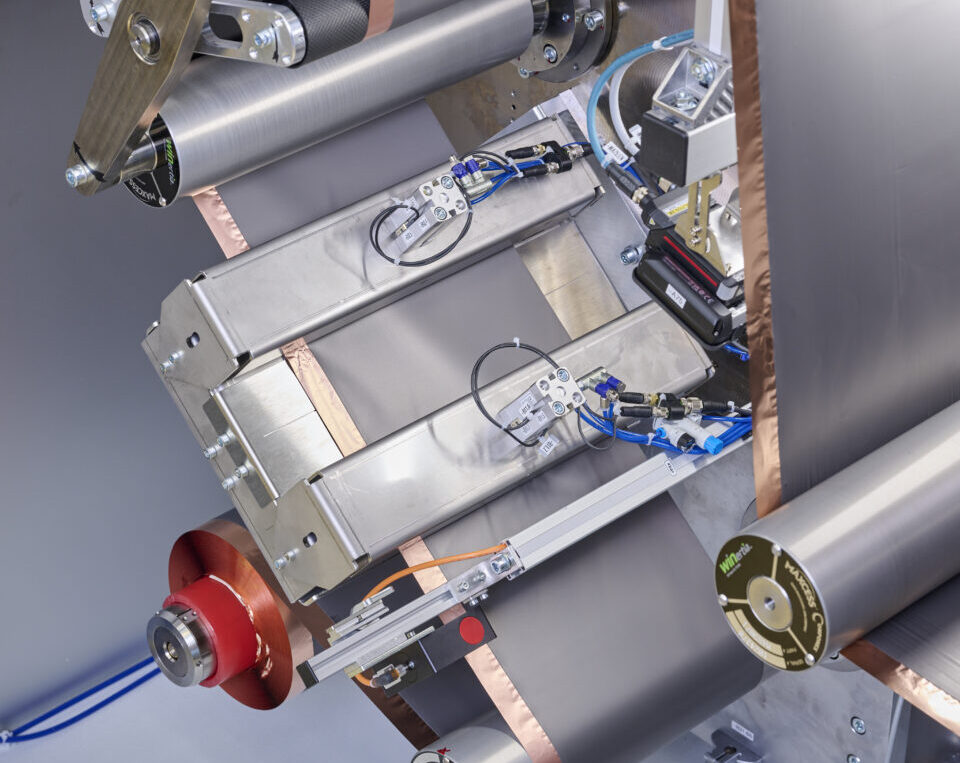
Depending on the material and requirements, different laser cutting variants are used, such as fusion cutting, flame cutting, or sublimation cutting. Process parameters such as surface temperature, material properties, and laser power determine the optimal configuration. With fiber lasers, we achieve outputs of up to 15,000 watts and realize fine cutting structures down to approximately 300 µm. The standard working area of our systems is 700 × 700 mm, but it can be flexibly expanded depending on project requirements. The separated material is removed from the cutting kerf as melt, oxidation product, or vapor.
Adavantages
of laser cutting
Clean cut edges without post-processing
The precise energy input during laser cutting produces smooth, burr-free cut edges and significantly reduces the need for mechanical post-processing. For plastics and textiles, clean contours are achieved without fraying, ensuring consistent material quality and reliable downstream processing.
High precision and flexibility
Thanks to the precise focusing of the laser beam, very small kerf widths from approx. 40 µm can be achieved, and depending on the laser source, typically in the range of 200 to 500 µm. This results in minimal kerf widths with high dimensional accuracy.
The contactless process prevents mechanical deformation of the workpiece and preserves material quality. At the same time, laser cutting offers high flexibility in prototyping, as design changes can be implemented quickly and cost-effectively.
Automation and efficiency
Through integrated automation, we reduce processing times and manual intervention, significantly increasing efficiency in the laser cutting process. AI-based vision systems are already an integral part of our solutions, enabling precise process monitoring and quality control.
Minimal material distortion
Laser cutting enables precise and efficient cutting processes with minimal material distortion. Due to the exact energy input, only a small heat-affected zone is created, reducing component distortion. At the same time, the high cutting accuracy minimizes material waste—contributing to lower costs and a resource-efficient manufacturing process.
With laser cutting, Sonplas provides an economical alternative to punching
With innovative laser cutting, Sonplas has developed a state-of-the-art process that enables efficient and sustainable processing of foils in lithium-ion battery cells. This advanced manufacturing technology is not only ideal for the battery industry but also for a variety of other sectors, including the paper, solar, and medical industries. Together, we will find the perfect solution for your requirements.

Expert interview with
Luca Schmerbeck
Sales
How do we assist in the production of battery cells?
Optimal cut edge quality is especially important in the production of battery cells. In order to enhance productivity, we offer solutions that allow you to laser-cut battery foils using a roll-to-roll process, known as notching. The edges of the foils are processed on-the-fly.
Lasers have become an integral part of many manufacturing processes in sheet metal fabrication. Is it also an economical alternative to punching?
It depends on the application. The laser typically has a clear advantage, especially in terms of edge and surface quality. When you need to process complex contours or switch between different components, laser cutting really shows its strengths. It is more efficient, faster, and more precise. Additionally, you gain more flexibility when changing products. While a laser can follow various contours and adjust parameters like material thickness flexibly, punching requires a specific tool for each part and material. These tools wear down due to the materials being punched and need to be reground or even replaced. This leads to downtime and material costs, which is why the use of a laser can quickly pay for itself depending on operating time.
Can laser cutting be applied in different industries?
Yes, of course! Because the non-contact cutting process generates minimal heat input, a wide range of materials can be processed—from metal to paper—while maintaining consistently high cutting quality. This makes it possible to apply the process to all applications where films need to be cut efficiently, such as in:
- fuel cell technology,
- printed electronics,
- and for hydrogen applications, for example H2 MEA (membrane electrode assemblies).
Laser cutting is used in various industries such as in:
- medical technology,
- the paper industry,
- and solar technology.
What other advantages does laser cutting offer the user?
Laser cutting operates at extremely high speeds of up to four meters per second. There is no contamination of the electrodes by particles. Additionally, the laser can process different geometries without requiring system modifications. The largest commercially available electrodes have a processing range of 700 × 700 millimeters. The final results stand out due to their high precision.
We are your partner
Together with you, we at Sonplas will find the perfect solution—because there is a suitable laser for every roll-based material. With our in-house expertise, we can provide optimal guidance and tailor the perfect laser cutting system to meet your needs.
Factors influencing
the cutting process
The quality of the laser cutting process is significantly influenced by optics, material properties, as well as laser power and focus position. Lens systems designed for high temperatures and intense laser radiation are crucial for precision and dimensional accuracy—their quality directly affects cutting accuracy and, if inadequately designed, can lead to deviations or material damage. Material type and thickness impact cutting speed, energy input, and dimensional accuracy. Especially with thicker materials, precise parameter adjustment is essential. Accurate focus positioning ensures maximum power density at the processing point and enables optimal cutting results with controlled thermal impact. With our experience in configuring these parameters, we tailor the process specifically to different materials—ensuring maximum quality and efficiency.
Applications of laser cutting
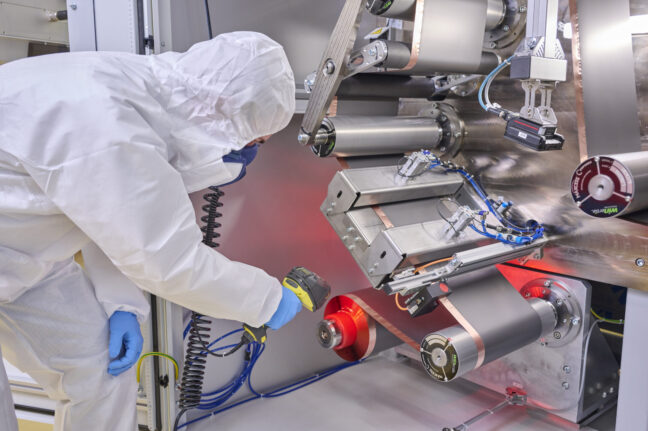
Due to its versatility and efficiency, laser cutting is used across a wide range of industries. Thanks to its high processing speed and flexibility, it is also cost-effective for one-off parts and small series production.
- Metal processing
- Plastics and textile processing
- Medical technology
- Battery technology
- Hydrogen industry
Do you have any questions? Contact us.
